


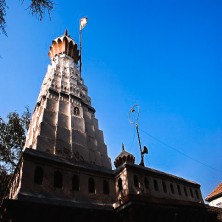
Chintamani Vinayak
Thevoor
Presiding Deity:
Chintaamani Vinayaka
The Chintamani Vinayak temple in Theur, Maharashtra, is one of the revered Ashtavinayak shrines dedicated to Lord Ganesha. It is located approximately 25 kilometers from Pune, near the confluence of the Mula, Mutha, and Bhima rivers, an area known in ancient times as Kadambanagar. The temple's primary deity is the self-manifested, east-facing idol of Ganesha, known as Chintamani Vinayak. His trunk is turned to the left, and his eyes are adorned with precious gems.
The legend, from the Ganesha Purana, tells of a wish-granting gem, the Chintamani, that belonged to Sage Kapila. The greedy prince Gana stole the gem, but Ganesha intervened, defeated the prince, and returned it to the sage. Having lost his desire for the jewel, Sage Kapila offered it to Ganesha, who wore it around his neck and came to be known as Chintamani Vinayak. The temple also has historical ties to the Peshwa rulers, particularly Madhavrao I, who renovated the structure and spent his final days on the temple grounds.
The name Chintamani means "the jewel that removes worries," and the temple is a pilgrimage site for devotees seeking relief from anxieties and mental distress. The idol's presence is considered powerful, and worship is believed to grant mental peace and a stable mind, freeing one from worldly worries. Devotees worship at this temple to overcome stress, find peace, and receive blessings for prosperity and happiness. Major festivals celebrated with great pomp include Ganesh Chaturthi and Maghi Chaturthi.
Saranam.com only facilitates rituals at temples for those who are unable to physically be present at the temple for various reasons.
1.We are not an agent/representative/official website of any temple and perform these services through our own network of representatives.
2.We are not a temple. We are not a religious movement. We get no money from particular religious institutions or leaders. We are not pushing a particular spiritual agenda.
3.All pujas or other rituals offered through our website do not involve any kind of animal sacrifice.
4.The charges for services include charges collected at the temple, cost of purchasing offerings, conveyance, and various other charges towards fulfilment of the order and are subject to change from time to time without notice.


