


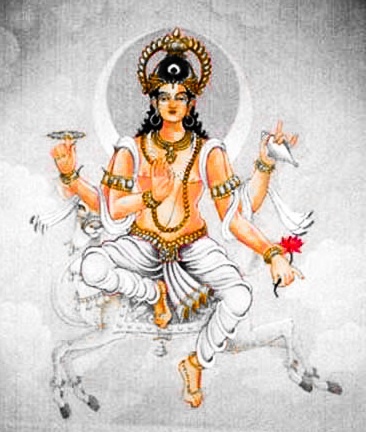
Purnima: Full Moon in Hinduism
Purnima, or the full moon day, is a revered occasion in the Hindu calendar, marking the culmination of the lunar month and holding immense spiritual significance. It is considered an auspicious day for worship, fasting, and performing various rituals.In essence, Purnima represents a time for spiritual renewal, seeking divine blessings, and engaging in virtuous deeds to elevate one's consciousness and invite peace and prosperity into their life.
Legends
Many legends and mythological stories are associated with Purnima. One such legend centers around Lord Shiva as the Adi Guru, or the first teacher, who began transmitting yoga to the Saptarishis (seven sages) on this day, This event is celebrated as Guru Purnima, a day dedicated to honoring spiritual teachers. Another significant legend speaks of Lord Shiva slaying the demon Tripurasura on Kartik Purnima, leading to the designation of the day as "Deva-Diwali," or the Diwali of the gods. This day is also celebrated as the manifestation day of Matsya, the first avatar of Vishnu, and Vrinda, the personification of the Tulsi plant.
Significance and importance
Purnima is believed to be a time of amplified positive energies, making it ideal for meditation, prayer, and spiritual practices. The full moon's brilliance symbolizes enlightenment, purity, and wisdom, inspiring devotees to focus on self-purification and devotion. Observing a fast, known as Purnima Vrat, is a common practice, believed to cleanse the body and mind, reduce acidity, and improve metabolism and endurance. Performing pujas (rituals) like the Satyanarayan Puja is also believed to absolve one of past sins and bring happiness and prosperity. Acts of charity and offering water or milk to the moon, along with chanting mantras like the Gayatri Mantra or Vishnu Sahasranama, are considered highly meritorious.
< SHIVRATRI SATYANARAYANA PUJA >


